Chapter 1: Understanding Solar Power for Home Owners
OR

The Basics of Solar Power
In this subchapter, we will delve into the basics of solar power, providing an essential foundation for homeowners looking to harness the power of the sun to reduce their carbon footprint and energy costs.
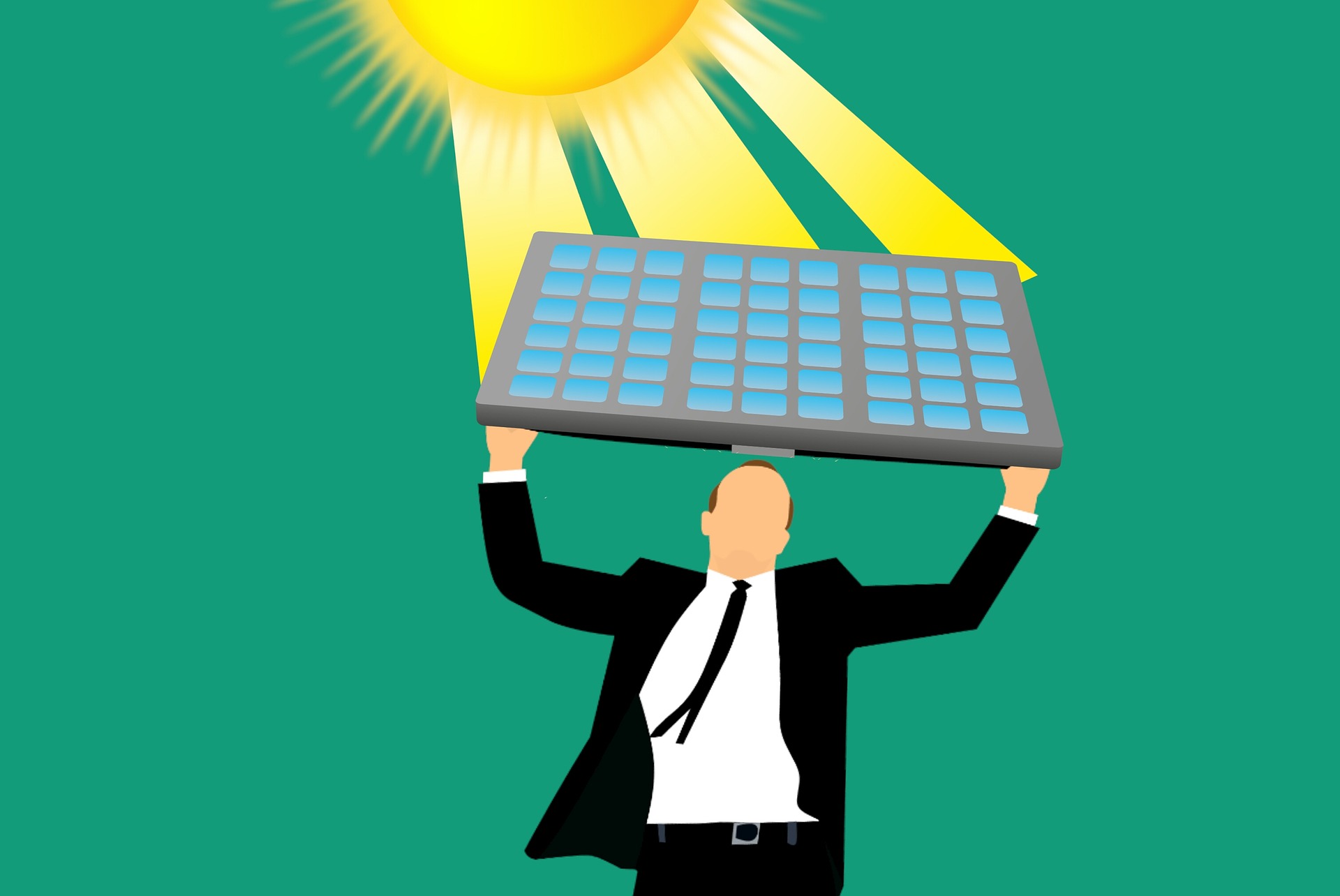
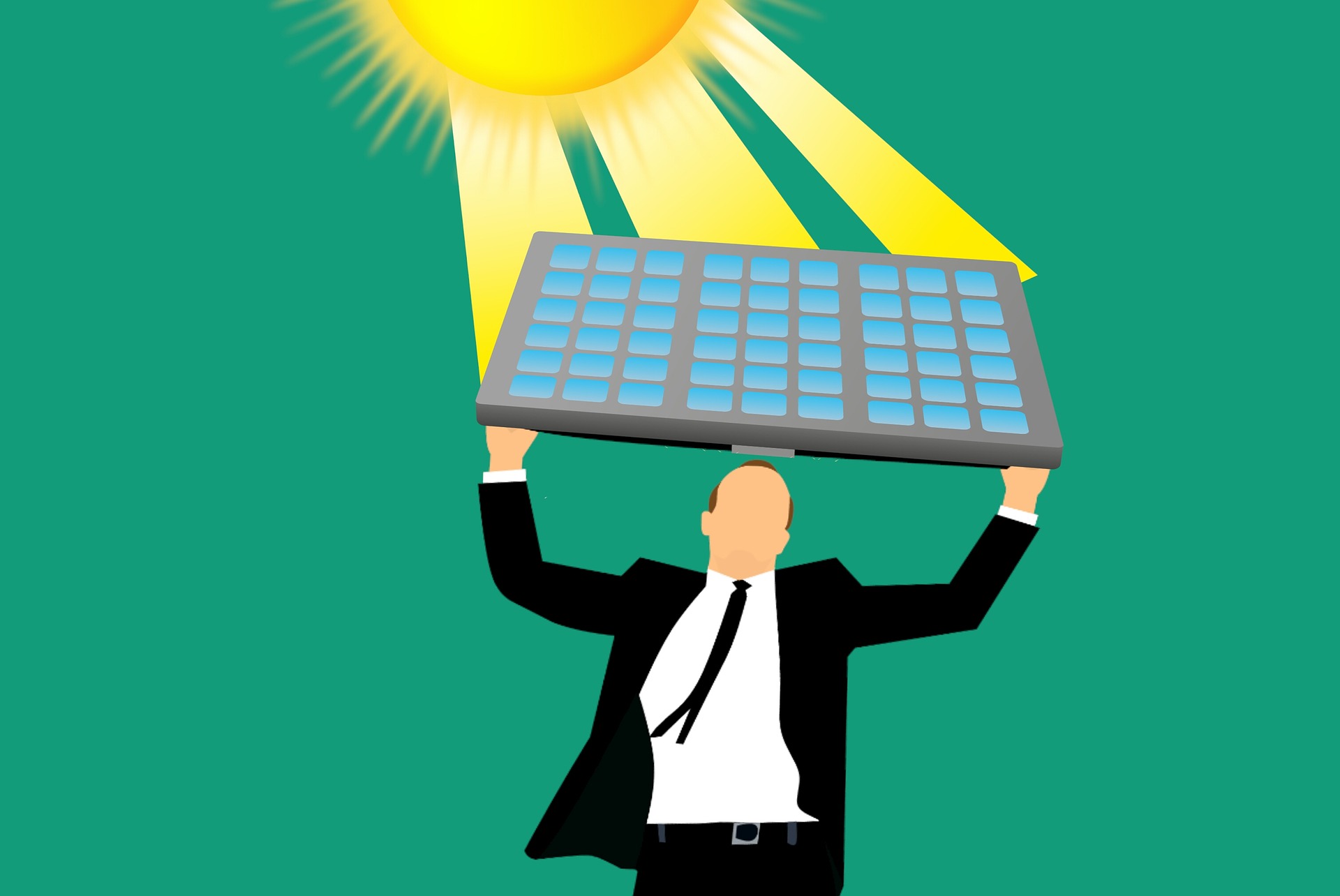
Solar power is a renewable energy source that utilizes the sun’s rays to generate electricity. By installing solar panels on your roof or property, you can capture sunlight and convert it into usable energy for your home. This clean and sustainable energy source has the potential to significantly reduce your dependence on traditional fossil fuels, leading to lower energy bills and a smaller environmental impact.
One of the key components of a solar power system is the solar panels themselves. These panels are made up of photovoltaic cells that absorb sunlight and convert it into electricity through a process known as the photovoltaic effect. The electricity generated by the panels can then be used to power your home, reducing your reliance on the grid and potentially saving you money in the long run.
Another important aspect of solar power is the inverter, which is responsible for converting the direct current (DC) electricity generated by the solar panels into alternating current (AC) electricity that can be used to power your home. The inverter is an essential component of any solar power system, as it ensures that the electricity generated by your panels is compatible with your home’s electrical system.
By understanding the basics of solar power, homeowners can make informed decisions about whether solar energy is right for their home. Whether you are looking to reduce your carbon footprint, lower your energy costs, or simply take advantage of the benefits of solar power, this subchapter will provide you with the knowledge you need to get started on your solar journey.
Benefits of Installing Solar Panels
When it comes to harnessing the power of the sun, installing solar panels on your home can provide a multitude of benefits. In this subchapter, we will explore the numerous advantages that come with incorporating solar power into your home.
One of the most significant benefits of installing solar panels is the potential for substantial cost savings on your energy bills. By generating your electricity through solar power, you can significantly reduce or even eliminate your dependence on traditional energy sources, resulting in lower monthly utility bills. In some cases, homeowners may even be able to sell excess energy back to the grid, providing an additional source of income.
In addition to saving money, installing solar panels can also help homeowners reduce their carbon footprint. Solar power is a clean and renewable energy source that produces no greenhouse gas emissions, making it an environmentally friendly alternative to traditional fossil fuels. By choosing solar power, homeowners can do their part to combat climate change and contribute to a more sustainable future for the planet.
Furthermore, installing solar panels can increase the value of your home. Studies have shown that homes with solar panels tend to sell for more money and at a faster rate than those without, making them a smart investment for homeowners looking to boost their property’s resale value.
Overall, the benefits of installing solar panels are clear: cost savings, environmental sustainability, and increased property value. By making the switch to solar power, homeowners can enjoy a range of advantages that make it a smart choice for both their wallets and the planet.How
Solar Power Systems Work
In this subchapter, we will delve into the fascinating world of solar power systems and how they work to harness the sun’s energy and convert it into usable electricity for your home. Understanding the inner workings of these systems is crucial for any homeowner looking to make the switch to solar energy and reap the benefits of reduced energy costs and a smaller carbon footprint.
At the heart of a solar power system are the solar panels, which are typically mounted on the roof of your home to capture sunlight. These panels contain photovoltaic cells that convert sunlight into direct current (DC) electricity. This electricity is then passed through an inverter, which converts it into alternating current (AC) electricity that can be used to power your home’s appliances and electronics.
One of the key components of a solar power system is the net meter, which allows you to feed any excess electricity generated by your solar panels back into the grid. This not only helps you save money on your energy bills but also allows you to earn credits for the excess electricity you generate.
Another important aspect of solar power systems is the battery storage system, which allows you to store excess electricity generated during the day for use during the night or on cloudy days when sunlight is limited. This can help you further reduce your reliance on the grid and maximize the benefits of your solar power system.
By understanding how solar power systems work, homeowners can make informed decisions about their solar power investments and choose the best financing options to suit their needs. With the potential for significant cost savings and a reduced carbon footprint, solar power systems are an attractive option for homeowners looking to make a positive impact on the environment and their energy bills.
Evaluating Your Home’s Solar Potential
When considering installing solar panels on your home, the first step is to evaluate your home’s solar potential. This will help you determine if your property is suitable for solar power and how much energy you can expect to generate.
One of the key factors to consider when evaluating your home’s solar potential is the amount of sunlight your property receives. Ideally, your roof should be facing south to maximize sun exposure throughout the day. Trees, buildings, and other obstructions can also impact the amount of sunlight your property receives, so it’s important to take these factors into account.
In addition to sunlight, you’ll also need to consider the size and slope of your roof. A large, unshaded roof with a steep slope is ideal for solar panel installation, as it will allow for maximum energy production. If your roof is not suitable for solar panels, ground-mounted systems are also an option.
Another important factor to consider is the condition of your roof. Solar panels can last for 25 years or more, so it’s important to make sure your roof is in good shape before installing them. If your roof needs repairs or replacement, it’s best to address these issues before installing solar panels.
Overall, evaluating your home’s solar potential is an important step in the process of going solar. By taking into account factors such as sunlight, roof size and slope, and roof condition, you can determine if solar power is a viable option for your home. With the potential to reduce your carbon footprint and energy costs, solar power is a smart investment for homeowners looking to go green.
Chapter 2: Solar Power for Home Owners Manual
Choosing the Right Solar Panels for Your Home
When it comes to choosing the right solar panels for your home, there are a few key factors to consider. The first thing to think about is the type of solar panels you want to install. There are three main types of solar panels: monocrystalline, polycrystalline, and thin-film.
Monocrystalline panels are the most efficient and also the most expensive. They are made from a single crystal structure, which allows them to convert sunlight into electricity more efficiently than other types of panels. Polycrystalline panels are less efficient than monocrystalline panels but are also less expensive. Thin-film panels are the least efficient but are also the least expensive.
Another important factor to consider when choosing solar panels for your home is the size of the system you need. The size of your solar panel system will depend on how much electricity you use and how much sunlight your home receives. You can determine the size of the system you need by looking at your electricity bills and calculating your average daily electricity consumption.
Finally, you should also consider the warranty and reliability of the solar panels you choose. Look for panels that come with a good warranty and have a reputation for being reliable. You want to make sure that your solar panels will last for many years to come and continue to generate electricity for your home.
Overall, choosing the right solar panels for your home is an important decision that can have a big impact on your energy costs and carbon footprint. By considering the type of panels, size of the system, and warranty and reliability, you can make an informed decision that will benefit you and your home for years to come.
Hiring a Qualified Solar Installer
When it comes to installing solar panels on your home, hiring a qualified solar installer is crucial to ensuring a successful and efficient installation process. In this subchapter, we will discuss the importance of hiring a qualified professional to handle your solar power project.
A qualified solar installer will have the necessary knowledge and experience to properly assess your home’s solar potential and design a system that meets your energy needs. They will also be familiar with local regulations and building codes, ensuring that your installation is compliant with all necessary requirements. Additionally, a qualified installer will have the proper training and certifications to safely and effectively install your solar panels.
When looking for a solar installer, be sure to do your research and ask for references from past customers. You can also check online reviews and ratings to get a sense of the installer’s reputation in the industry. It’s important to choose a company that has a proven track record of successful installations and satisfied customers.
In addition to qualifications and experience, consider the installer’s pricing and financing options. Some installers offer financing plans to help homeowners afford the upfront costs of solar installation. Be sure to ask about any available financing options and compare quotes from multiple installers to find the best deal for your budget.
By hiring a qualified solar installer, you can rest assured that your solar power system will be installed safely and efficiently, providing you with clean, renewable energy for years to come. Don’t cut corners when it comes to choosing an installer – invest in a professional who will deliver quality results and peace of mind.
Maintaining Your Solar Power System
Congratulations on making the switch to solar power! Now that your system is up and running, it’s important to maintain it properly to ensure it continues to provide clean, renewable energy for your home. Here are some key tips for maintaining your solar power system:
- Regular Cleaning: One of the simplest ways to maintain your solar panels is to keep them clean. Dust, dirt, and debris can build up on the panels over time, reducing their efficiency. Regularly clean your panels with a soft brush or cloth and water to keep them operating at peak performance.
- Inspect for Damage: Periodically inspect your solar panels for any signs of damage, such as cracks or chips. If you notice any issues, contact your solar panel installer or a professional solar technician to address them promptly.
- Monitor Performance: Keep an eye on the performance of your solar power system by monitoring your energy production. Most solar inverters come with monitoring software that allows you to track how much energy your system is producing. If you notice a significant drop in production, it could indicate a problem with your system that needs to be addressed.
- Schedule Regular Maintenance: While solar power systems are relatively low-maintenance, it’s still a good idea to schedule regular maintenance checks with a professional solar technician. They can inspect your system, clean the panels, and make any necessary repairs to keep your system running smoothly.
By following these tips for maintaining your solar power system, you can ensure that your system continues to provide clean, renewable energy for your home for years to come. Plus, by keeping your system in top condition, you’ll maximize your energy savings and reduce your carbon footprint even further. - Maximizing the Efficiency of Your Solar Panels
In order to get the most out of your solar panels and maximize their efficiency, there are several key factors to consider. By taking the time to properly maintain and optimize your solar power system, you can ensure that you are getting the most energy possible from the sun.
One important factor to consider when looking to maximize the efficiency of your solar panels is the angle at which they are installed. The angle of your solar panels can have a significant impact on how much sunlight they are able to capture. Ideally, solar panels should be installed at an angle that is equal to the latitude of your location. This will ensure that the panels are able to capture the maximum amount of sunlight throughout the day.
Another important factor to consider is the cleanliness of your solar panels. Dust, dirt, and debris can build up on the surface of your panels over time, blocking sunlight and reducing their efficiency. Regularly cleaning your solar panels with a gentle detergent and water can help to ensure that they are able to operate at their full potential.
In addition to proper installation and maintenance, it is also important to consider the size and capacity of your solar power system. By accurately sizing your system to meet your energy needs, you can ensure that you are able to generate enough electricity to power your home while also maximizing the efficiency of your panels.
By following these tips and taking the time to properly maintain and optimize your solar power system, you can ensure that you are getting the most out of your investment in solar energy. By maximizing the efficiency of your solar panels, you can reduce your carbon footprint, lower your energy costs, and enjoy the many benefits of clean, renewable energy for years to come.
Chapter 3: Solar Power Financing Options for Homeowners
Purchasing vs. Leasing Solar Panels
When it comes to investing in solar power for your home, one of the biggest decisions you’ll need to make is whether to purchase or lease your solar panels. Each option has its own set of pros and cons, so it’s important to carefully consider which one is the best fit for your specific needs and goals.
Purchasing solar panels outright can be a significant upfront investment, but it can also provide long-term savings and increased home value. When you purchase solar panels, you own the system and are eligible for any available tax incentives or rebates. You also have the freedom to choose the size and type of system that best meets your energy needs. Additionally, purchasing solar panels allows you to benefit from any future increases in energy prices, as you will be generating your own electricity.
On the other hand, leasing solar panels can be a more affordable option for homeowners who may not have the capital to purchase a system outright. With a solar lease, you pay a fixed monthly fee for the use of the solar panels, typically with little to no upfront costs. While leasing may not provide the same long-term savings as purchasing, it can still help you reduce your carbon footprint and lower your monthly energy bills.
Ultimately, the decision to purchase or lease solar panels will depend on your individual financial situation and goals. It’s important to carefully weigh the costs and benefits of each option before making a decision. Whichever route you choose, investing in solar power for your home is a smart choice that can help you reduce your carbon footprint, lower your energy costs, and increase the value of your property.
Government Incentives and Rebates for Solar Power
One of the most appealing aspects of switching to solar power for homeowners is the potential for government incentives and rebates that can help offset the initial cost of installation. These incentives are designed to encourage more people to make the switch to renewable energy sources and reduce their carbon footprint.
In the United States, there are several federal and state incentives available for homeowners who install solar power systems. The federal government offers a solar Investment Tax Credit (ITC), which allows homeowners to deduct a percentage of the cost of their solar system from their federal taxes. This can result in significant savings for homeowners and make solar power more affordable.
In addition to the federal ITC, many states offer their own incentives and rebates for solar power installation. These can vary widely depending on where you live, but can include cash rebates, tax credits, and performance-based incentives. By taking advantage of these incentives, homeowners can significantly reduce the upfront cost of going solar and enjoy lower energy bills in the long run.
It’s important for homeowners to research the incentives available in their area and take advantage of any programs that can help make solar power more affordable. In many cases, these incentives can make the difference between a solar power system being out of reach financially and being a viable option for reducing energy costs and environmental impact.
By understanding and utilizing government incentives and rebates for solar power, homeowners can make a positive impact on the environment, reduce their energy costs, and take advantage of the many benefits of renewable energy. With the right information and financial support, going solar can be a smart choice for homeowners looking to make a positive change for themselves and the planet.
Financing Options for Solar Power Systems
When it comes to investing in solar power systems for your home, one of the biggest concerns for homeowners is often the upfront cost. However, there are a variety of financing options available that can help make solar power more affordable and accessible for homeowners.
One popular financing option for solar power systems is a solar loan. These loans typically have low interest rates and flexible repayment terms, making them a great option for homeowners who want to invest in solar power without breaking the bank. Additionally, many solar loans require little to no money down, making them a convenient option for homeowners who may not have a large upfront investment available.
Another financing option for solar power systems is a solar lease or power purchase agreement (PPA). With a solar lease or PPA, homeowners can essentially rent their solar panels from a third-party provider, paying a fixed monthly fee for the electricity generated by the system. This can be a great option for homeowners who want to enjoy the benefits of solar power without having to worry about maintenance or upfront costs.
For homeowners who are looking to reduce their carbon footprint and energy costs, financing options for solar power systems can make investing in renewable energy more accessible than ever. By exploring the various financing options available, homeowners can find a solution that fits their budget and allows them to enjoy the many benefits of solar power for years to come.
Evaluating the Return on Investment for Solar Power
One of the most important factors to consider when deciding to invest in solar power for your home is the return on investment (ROI). Understanding how long it will take for your solar panels to pay for themselves and start saving you money is crucial in making an informed decision.
There are several key factors to consider when evaluating the ROI of solar power for your home. The first factor is the cost of the solar panels themselves. While the initial investment can be significant, there are often financing options available to help homeowners afford the upfront costs. Additionally, many government incentives and rebates are available to help offset the cost of installing solar panels.
Another important factor to consider is the savings on your energy bills. By generating your own electricity with solar panels, you can reduce or even eliminate your monthly energy costs. Over time, these savings can add up significantly, helping you recoup the initial investment in your solar power system.
In addition to financial savings, investing in solar power can also help homeowners reduce their carbon footprint. By using clean, renewable energy from the sun, you can reduce your reliance on fossil fuels and lower your impact on the environment.
When evaluating the ROI of solar power for your home, it’s important to consider both the financial benefits and the environmental impact. By taking into account the cost of the system, potential savings on energy bills, and the environmental benefits, homeowners can make an informed decision about whether solar power is the right choice for them. Ultimately, investing in solar power can provide long-term financial savings, environmental benefits, and energy independence for homeowners looking to reduce their carbon footprint and energy costs.
Chapter 4: Solar Power for Homeowners Looking to Reduce Their Carbon
Footprint and Energy Costs
Reducing Your Home’s Carbon Footprint with Solar Power
Solar power is not only a cost-effective and sustainable energy solution for homeowners, but it is also a powerful tool for reducing your home’s carbon footprint. By harnessing the power of the sun to generate electricity, you can significantly reduce your reliance on fossil fuels and decrease the amount of greenhouse gas emissions produced by your household.
One of the key benefits of solar power is its ability to offset the carbon emissions associated with traditional forms of electricity generation. By installing solar panels on your home, you can generate clean, renewable energy that doesn’t release harmful pollutants into the atmosphere. This can have a measurable impact on your carbon footprint, helping to combat climate change and protect the environment for future generations.
In addition to reducing your carbon footprint, solar power can also help you save money on your energy bills. By generating your own electricity from the sun, you can lower your dependence on grid electricity and reduce your overall energy costs. This can provide significant savings over time, making solar power a smart investment for homeowners looking to reduce their carbon footprint while also saving money.
To further maximize the environmental benefits of solar power, homeowners can also consider incorporating energy-efficient practices and technologies into their homes. This can help to reduce overall energy consumption and further decrease your carbon footprint. By combining solar power with energy-efficient upgrades, such as LED lighting, smart thermostats, and energy-efficient appliances, you can create a more sustainable and environmentally friendly home.
Overall, reducing your home’s carbon footprint with solar power is a win-win solution for homeowners looking to lower their energy costs and protect the planet. By harnessing the power of the sun, you can make a positive impact on the environment while also enjoying the financial benefits of clean, renewable energy.
Lowering Your Energy Bills with Solar Power
One of the most appealing aspects of installing solar power in your home is the potential to significantly lower your energy bills. By harnessing the power of the sun, you can reduce or even eliminate your reliance on traditional energy sources, saving you money in the long run.
There are several ways that solar power can help you lower your energy bills. First and foremost, by generating your own electricity, you can reduce the amount of power you need to purchase from your utility company. This can result in substantial savings over time, especially as energy prices continue to rise.
Additionally, many utility companies offer net metering programs that allow you to earn credits for any excess energy your solar panels produce. These credits can then be used to offset your future energy bills, further reducing your overall costs.
Another benefit of solar power is its ability to provide energy during peak demand times, when electricity prices are typically at their highest. By using solar power to supplement your energy needs during these times, you can avoid paying premium prices for electricity and save even more money.
In addition to saving you money, using solar power can also help you reduce your carbon footprint and contribute to a more sustainable future. By generating clean, renewable energy from the sun, you can lower your impact on the environment and help combat climate change.
Overall, installing solar power in your home is a smart investment that can help you save money, reduce your carbon footprint, and take control of your energy costs. With the right financing options and a solid understanding of how solar power works, you can start enjoying the benefits of solar energy in no time.
Incorporating Energy Storage Solutions with Solar Power
One of the most exciting advancements in the world of solar power for homeowners is the integration of energy storage solutions. By incorporating energy storage systems with your solar panels, you can maximize the benefits of your renewable energy system and further reduce your reliance on the grid.
Energy storage solutions, such as batteries, allow you to store excess energy generated by your solar panels during the day for use at night or on cloudy days when solar production is lower. This means you can still power your home with clean, renewable energy even when the sun isn’t shining.
Not only does energy storage increase your energy independence, but it can also help you save money on your utility bills. By using stored energy during peak demand times when electricity rates are highest, you can avoid expensive peak pricing and reduce your overall energy costs.
Additionally, incorporating energy storage solutions with your solar power system can help you reduce your carbon footprint even further. By storing and using clean, renewable energy generated by your solar panels, you can significantly decrease your reliance on fossil fuels and lower your overall carbon emissions.
When considering adding energy storage to your solar power system, it’s important to work with a reputable solar installer who can help you determine the best storage solution for your specific needs and budget. With the right combination of solar panels and energy storage, you can maximize the benefits of your renewable energy system and enjoy a more sustainable, cost-effective home energy solution.
Tracking Your Energy Savings and Environmental Impact
Once your solar power system is up and running, it’s important to keep track of your energy savings and environmental impact. By monitoring your energy production and usage, you can ensure that your system is performing optimally and maximize your savings.
There are several ways to track your energy savings. One option is to install a monitoring system that allows you to see real-time data on your energy production and usage. This can help you identify any issues with your system and make adjustments as needed. Some monitoring systems even allow you to track your savings over time and compare them to your initial projections.
Another way to track your energy savings is to keep a close eye on your utility bills. By comparing your bills before and after installing solar panels, you can see exactly how much money you are saving each month. You can also use this data to calculate your return on investment and determine how long it will take for your system to pay for itself.
In addition to tracking your energy savings, it’s also important to monitor your environmental impact. Solar power is a clean and renewable source of energy, so by using it to power your home, you are significantly reducing your carbon footprint. Keeping track of how much CO2 emissions you are offsetting by using solar power can help you feel good about your decision to go solar.
By staying on top of your energy savings and environmental impact, you can make the most of your solar power system and enjoy the benefits of clean, renewable energy for years to come.